
How supporting neurodiverse talent can improve retention
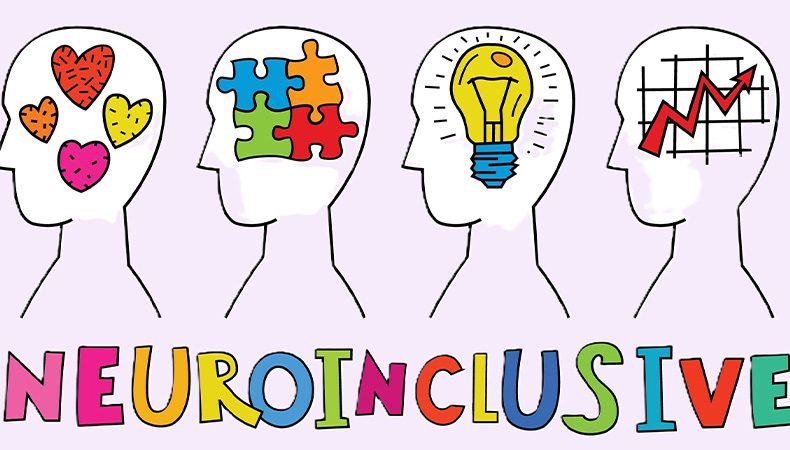
Not every mind thinks alike. That's just the way human brains work. But if an individual’s way of thinking, processing and perception diverge enough from what is considered “typical”, we call it neurodivergent, and this covers specific neurodiverse conditions such as autism, ADHD, dyslexia and dyscalculia.
Organisations are getting better at talking about this, but true workplace inclusivity goes beyond labels. Employees without a formal diagnosis will still need a more personalised approach to thrive in their roles.
According to the NHS's Neurodiversity Workplace Estimates (2024), 1 in 7 people in the UK are estimated to be neurodivergent. When applied to your headcount, you will see that that is not a niche consideration. That's a meaningful part of your workforce.
Yet most workplaces are still built around one way of thinking, communicating and getting things done. When that doesn't match how an employee’s brain works, the friction shows up fast: miscommunication, missed deadlines, meetings that feel draining and exhausting, rather than empowering and motivating.
When left unaddressed, that friction becomes something bigger: exclusion, burnout and people taking time off because work has become hard to bear. According to data from Willis Towers Watson’s Neurodiversity Support Data (2024), 51% of neurodivergent employees have taken time off work due to their neurodivergence.
For your organisation, the cost compounds as productivity dips and a culture of micromanaging blooms.
The operational blind spot
There is an operational blind spot in many organisations today. It’s what the City & Guilds Foundation's Neurodiversity Index Report (2026) identifies as a widening "lived experience gap."
While up to 80% of employers report high confidence in their neuroinclusive strategies, only 32-38% of neurodivergent employees reported feeling psychologically safe to disclose their challenges or secure adjustments.
Foundational diversity policies provide a great starting point, but relying solely on standard paperwork might mean missing the daily experiences of your teams. Transforming these flat policies into active, supportive frameworks is a major opportunity to strengthen workplaces and help everyone thrive.
Bypassing the diagnosis trap
Employers have a legal responsibility to provide reasonable adjustments even without or before a formal medical diagnosis.
Under the Equality Act 2010, employers are required to provide reasonable adjustments if an employee has a disability. However, law defines a disability by how a condition impacts someone's daily life, not by a formal diagnosis.
If a case were to escalate to an employment tribunal, the panel would decide if an employee qualified for support. Their claim would be strengthened by medical evidence and a formal diagnosis but would not be dependent on it.
By offering support from the get-go, you can protect against compliance risks and prevent your team from needlessly struggling. So, your corporate neurodiversity policy must state unambiguously that a medical diagnosis is not required to access workplace support. True compliance means acting preventatively.
Low-cost, high-impact infrastructure
Many of the most impactful adjustments cost very little to scale across an organisation. Rather than waiting for employees to ask, proactive HR leaders communicate the options available to everyone.
Simple adjustments to the physical environment, such as noise-cancelling headphones, anti-glare screens, or access to quiet office zones, can effectively manage sensory processing loads.
Flexible working arrangements can also reduce daily stress. Offering fixed workspaces instead of hotdesking provides predictability, and flexible start and end times help employees manage fluctuating energy levels.
Finally, strategic leaders review how their teams communicate. Introducing a range of technological aids, such as AI meeting transcriptions, sending meeting agendas in advance, and providing clear written briefs alongside verbal directions, can reduce cognitive strain.
Integrating neuroinclusion into strategy
Neuroinclusion operates best when woven directly into existing processes, from annual engagement surveys to benefit review cycles.
When senior leadership visibly champions and utilises these adjustments, you break down the stigma of disclosure and create an environment where employees feel safe to access support early.
A truly effective people strategy also looks at the wider picture by supporting employees who have neurodivergent children or dependents.
Providing flexible working setups or specialised clinical care can significantly lower caregiving strain, which might otherwise impact daily productivity and drive unexplained absences.
Access to clinical support, such as Fertifa’s Neurodiversity service, can help cut assessment wait times for a diagnosis and ensure fast and easy neurodiversity support every step of the way. This sort of service ensures your employees can maintain their career momentum, while protecting your long-term talent pipeline.
When you invest in building adaptable, neuroinclusive teams, you are insulating the business from legal risk and showing your people that you care about their wellbeing.
Fertifa's Neurodiversity Policy Template is available here.
Supplied by REBA Associate Member, Fertifa
Leading health benefits provider, offering best-in-class clinical care for neurodiversity and reproductive health.