
5 ways to support neurodivergent employees
Why is it that many neurodivergent employees go unnoticed?
Beth had spent five years building a successful career, earning promotions and consistently exceeding expectations. The day after receiving another glowing appraisal, she resigned without another job to go to.
Three years later, she was diagnosed as autistic. Looking back, she realised she'd spent years masking, constantly adapting her behaviour, managing sensory overload and exhausting herself to meet workplace expectations.
Her employer believed she was thriving. In reality, she was surviving.
Beth's story is far from unique. Too often, workplaces are designed around one way of thinking and working, leaving talented neurodivergent employees to spend significant energy adapting simply to fit in.
The 2024 Buckland Review of Autism Employment found that only around three in ten working-age autistic people are in employment, despite many wanting to work. The issue isn't capability. It's whether workplaces are designed to support different ways of thinking and working.
Many neurodivergent people remain undiagnosed or are diagnosed later in life, often masking their differences to meet workplace expectations. By the time challenges become visible through burnout, absence or resignation, employers are already responding too late.
Traditional wellbeing support often misses the mark because it relies on employees recognising they need help and feeling able to ask for it. The challenge isn't simply identifying neurodivergent employees. It's creating workplaces where they don't have to spend so much energy adapting.
Designing workplaces that support neurodivergent employees
Many of the barriers neurodivergent employees face are built into everyday working practices. Open-plan offices, constant interruptions, unclear communication, changing priorities and an expectation to be visibly engaged throughout the day all increase cognitive load.
While these challenges may affect individuals differently, they create unnecessary barriers for many neurodivergent people.
Employers don't need to redesign everything. Often, small changes have the greatest impact.
Five practical shifts every employer can make
- Reduce unnecessary friction: Review sources of predictable cognitive overload, such as excessive interruptions, sensory distractions and unclear processes.
- Communicate with clarity: Make expectations explicit. Written agendas, clear instructions and follow-up notes reduce ambiguity and help everyone work more effectively.
- Build greater predictability: Advance notice of changes, consistent meeting structures and clearly defined priorities help reduce unnecessary stress and allow employees to focus on delivering their best work.
- Create psychologically safe management: Managers should feel confident having conversations about what helps people perform at their best, without waiting for a formal diagnosis or disclosure. Focusing on outcomes rather than communication style benefits the whole team.
- Design for sustainable performance: High performance shouldn't come at the expense of wellbeing. Building recovery time into workloads and recognising different ways of working helps retain talented employees over the long term.
Creating workplaces where neurodivergents can thrive
Supporting neurodivergent employees isn't about making exceptions. It's about designing workplaces where people with different ways of thinking can thrive.
For employers, the question is simple: who is succeeding, and who is simply surviving?
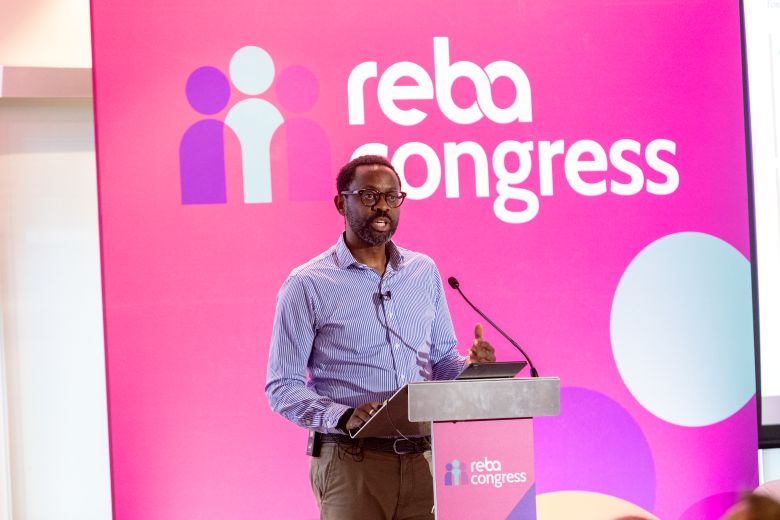
Watch Dr David Mushati's full REBA Congress session here.
Supplied by REBA Associate Member, Melios part of Healios
Melios provides clinically robust, needs-led neurodiversity and mental health care for individuals and employers.