Autism, ADHD and anxiety: Why they often come together
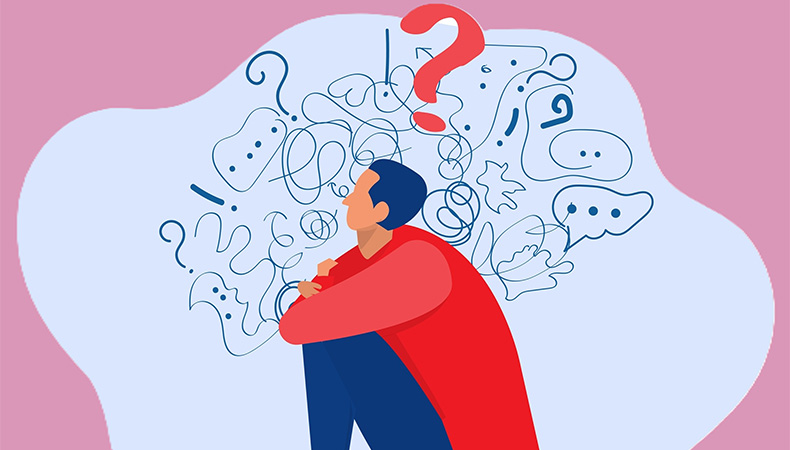
An employee has been performing well for months, then starts missing deadlines, withdrawing from the team or taking more sick days than usual. It can be tempting to treat this as a standalone wellbeing issue and signpost them to an employee assistance programme (EAP).
While this support can be valuable, it may not address every factor behind the employee’s difficulties. For some autistic and ADHD employees, workplace demands can contribute to anxiety, particularly when their needs are not recognised or accommodated.
Understanding anxiety and neurodivergence
Autism and ADHD are not anxiety disorders, but they can co-occur with anxiety. For some neurodivergent employees, sensory demands, masking, uncertainty and the effort of navigating workplace expectations can contribute to stress and anxiety.
The distinction matters because effective support depends on understanding the individual. Counselling and other mental health interventions can help, but they may not address everything contributing to anxiety if workplace demands and unmet needs remain unchanged.
“Anxiety is very rarely the whole story,” said Charlotte Clee, head of Assessment Services at Melios. “When we look closely, it’s important to consider what else might be contributing, whether that’s sensory load, unpredictability or the effort of masking day after day.
"Understanding the wider picture can help us identify what support might make a meaningful difference.”
Why the combination matters
Autism, ADHD and anxiety can overlap, but they are not always explored together when someone seeks help.
An employee accessing anxiety support may also have unrecognised autistic or ADHD traits that shape how they experience work. Equally, someone receiving an autism or ADHD diagnosis may benefit from having their mental health needs considered alongside their neurodevelopmental profile.
Looking at these experiences together builds a fuller picture of the person’s strengths, challenges and support needs, rather than assuming one condition explains everything.
Challenges employers may not see
By the time an employee’s anxiety becomes noticeable, they may have been managing difficulties for some time. Masking can make this hard to recognise, so an employee who appears to be coping may still be under significant strain.
When needs go unrecognised, it can become harder to manage workload, communicate difficulties or maintain usual routines, affecting wellbeing and engagement over time. Early, open conversations help managers explore what might be contributing, rather than making assumptions about performance or motivation.
What employers can do
Employers don’t need to wait for a diagnosis to create a more inclusive working environment.
- Look beyond generic wellbeing support. EAPs and other mental health services play an important role. Where difficulties persist, consider whether workplace demands or unmet needs might also be contributing.
- Make inclusive working practices the norm. Clear communication, predictable expectations and flexibility around noise, lighting and working arrangements can benefit many employees. Where individual adjustments are needed, discuss these with the employee rather than assuming what will help.
- Help managers recognise different ways of working. Communication styles, processing time and approaches to organisation vary. Managers should focus on understanding an employee’s needs and outcomes, rather than reading differences in presentation as a lack of ability or commitment.
- Encourage a joined-up approach to assessment and support. Where an employee is exploring an autism or ADHD assessment, encourage them to discuss any related mental health concerns with the appropriate professional, so their wider needs are considered.
Moving ahead with wellbeing support
EAPs, counselling and workplace wellbeing initiatives all have a role to play, but they work best as part of a broader approach. For organisations, that means considering how neurodevelopmental needs and mental health intersect, equipping managers to have informed conversations and making appropriate adjustments easier to access.
Supplied by REBA Associate Member, Melios part of Healios
Melios provides clinically robust, needs-led neurodiversity and mental health care for individuals and employers.