How to use AI to close the benefits knowledge gap
Can AI help employees understand and use the benefits already available to them?
For some HR teams, answering routine benefits queries can account for up to 200 hours each year. For employees, the issue is often straightforward: they don’t know what they have or where to find the answer.
The questions are familiar:
- What benefits do I actually have?
- How does salary sacrifice affect my take-home pay?
- I’m going on parental leave. What happens to my pension?
- Does my health plan cover physio?
These questions rarely arrive at a convenient time. An employee might need an answer at 10pm on a Sunday, when they’re unlikely to search through a 40-page benefits document. So they email HR or simply give up.
The scale of this is significant. According to Epassi’s Great Employee Benefits Study 2026, 49% of UK employees did not use all their available benefits last year – the highest underutilisation rate across all eight European markets surveyed (the European average is 35%).
Of those employees, 29% say the reason was simply not knowing what was available to them. A further 54% say the benefits on offer do not match their interests, pointing to a relevance gap that better information alone cannot fully solve – but that AI-powered guidance can help surface.
There is a wider communication gap at play too. The same research found that 70% of UK employers believe they actively promote benefits use – but only 55% of employees agree, a 15-point gap. In the UK specifically, employer self-reported promotion runs approximately 15 points higher than what employees actually experience. This is not a spending failure. It is a delivery and accessibility failure.
Where can AI help?
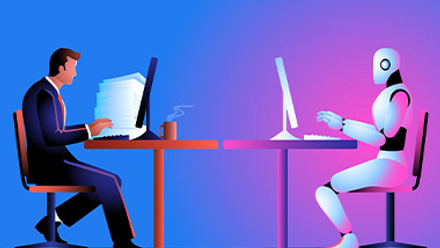
Attitudes to AI in benefits are not uniform, Epassi’s research found that 75% of UK employers say they are comfortable using AI to administer benefits – the highest proportion in Europe. But only 53% of UK HR teams feel equipped to increase their use of AI and automation in practice.
Willingness is running ahead of readiness. Among employees, the picture is more nuanced still: while confidence in AI as a productivity tool is growing, only 35% of European employees would feel comfortable discussing their wellbeing with an AI coach, and in the UK 47% actively disagree.
This matters for benefits specifically. Employees will accept AI that helps them find information; they are far less comfortable with AI that makes judgments about their health or finances.
AI isn’t the answer to every HR problem, and when it comes to benefits, trust matters. Employees need information that is relevant to them and doesn’t fill gaps by guessing. HR teams need confidence that employee data is handled properly.
Setting boundaries
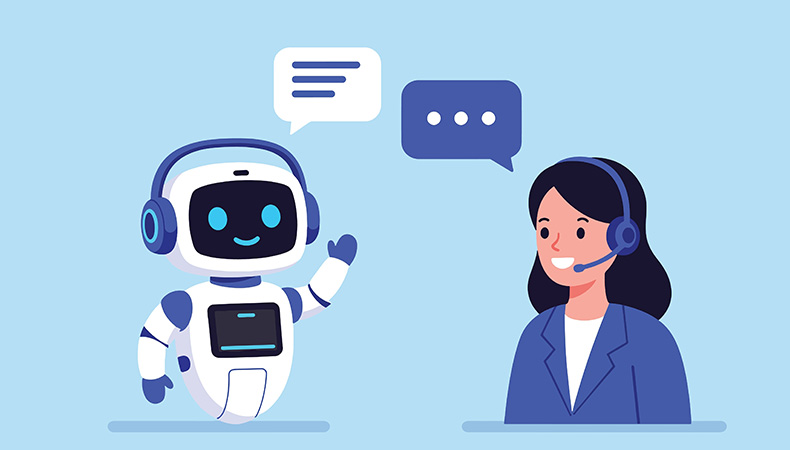
AI’s practical role is narrower: making the information an employer already provides easier to reach when an employee needs it.
At Zest by Epassi, that means using AI to work with the information already held within the benefits platform and personalising answers.
AI should not give regulated financial or medical advice or make decisions about eligibility. Where a question needs human input, employees need to be directed to the right HR contact. For employers, this means fewer repetitive queries and more time for the work that needs HR’s expertise, such as talent and benefits strategy. Employees, meanwhile, get answers outside office hours.
Queries reveal where communication falls short
This matters because the data gap is real. Epassi’s research found that 83% of UK employers say usage data and reporting are very important or critical for decision-making – yet most still rely on employee feedback surveys rather than hard utilisation data.
AI that surfaces patterns in employee questions gives HR teams a new and more immediate signal: not what employees said in a survey three months ago, but what they are actively trying to find out today.
As HR teams look towards 2027, it’s worth asking how easily your employees can find and use the benefits on offer.
Supplied by REBA Associate Member, Epassi UK
Creating a fitter, happier and more productive workforce now, and for future generations.