
The need for a dedicated cardiovascular health strategy
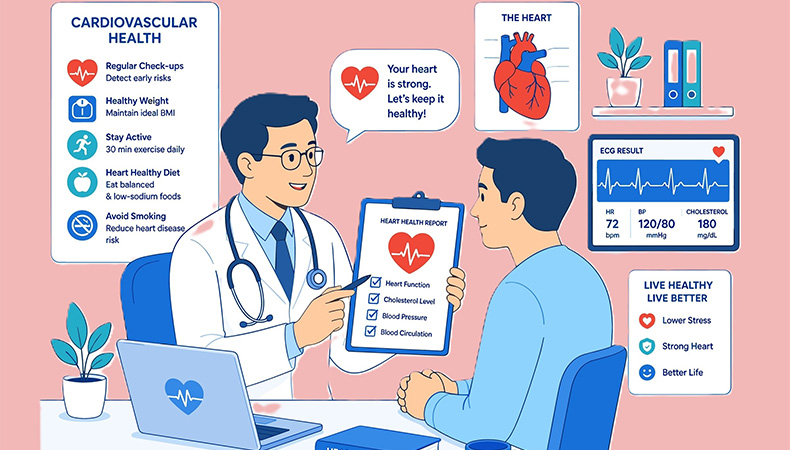
Cardiovascular disease is Europe’s leading cause of death and disability, while many of its major risk factors (including high blood pressure, tobacco use, unhealthy diet and physical inactivity) can be prevented or better controlled through timely action.
For employers, that creates a clear opportunity: a dedicated strategy can connect workforce risk data with prevention, early detection, care navigation and condition management, improving employee outcomes while helping to manage absence and healthcare costs.
Why cardiovascular health needs dedicated attention
Cardiovascular diseases cause around 10,000 deaths every day in the World Health Organization European region and account for 42.5% of all deaths. The wider burden of non-communicable diseases is also substantial: 1.8 million deaths in the region could be avoided each year through effective prevention or timely treatment, with associated productivity losses estimated at more than $514.5 billion annually.
Yet employer action does not always reflect the scale of the risk. WTW’s 2025 Benefits Trends Survey found that targeted programmes for high-cost conditions are still developing, while health benefits and wellbeing programmes remain among the most difficult areas of benefits strategy to implement.
Employers may provide individual services - such as health assessments, screening or digital wellbeing tools - but these are not always connected through a clear pathway from prevention and early detection to treatment and ongoing condition management.
A dedicated cardiovascular strategy can help close this gap by bringing existing initiatives together, defining clear objectives and directing support towards employees who are most likely to benefit.
From broad wellbeing to a focused strategy
A dedicated cardiovascular strategy does not require employers to replace their wider wellbeing programme. It means using evidence to focus existing resources on a material workforce risk and joining up support across the employee journey—from awareness and prevention to screening, treatment navigation and return to work. The strategy should reflect workforce demographics, local healthcare access, benefit design and the organisation’s most significant claims and absence drivers.
Pressure on healthcare access and employer plans
Public healthcare systems across Europe are under sustained pressure from high demand and constrained capacity.
Telehealth can improve access to primary care and widen employee participation, but it works best as part of an integrated pathway. Employers should ensure virtual services can direct people appropriately to in-person assessment, diagnostics and specialist care when needed, rather than operating as a standalone benefit.
A dedicated cardiovascular strategy helps employers respond earlier, guide employees to the right care and reduce avoidable escalation into more complex and costly treatment.
The business case for action
Cardiovascular conditions are an important source of healthcare utilisation and claims, particularly as workforces age. At the same time, medical costs remain elevated: WTW’s 2025 Global Medical Trends Survey projected medical trend of 8% in Europe and 10% in the UK for 2025. Against that backdrop, prevention and earlier intervention are not simply wellbeing activities; they are part of effective benefit and risk management.
For employers, the objective should be to focus available spend where it can have the greatest impact: identifying risk sooner, improving access to appropriate care and helping employees manage cardiovascular conditions over time. That requires a strategy with clear priorities, accountable providers and measurable outcomes.
Why a targeted approach can deliver more value
WTW’s 2026 Wellbeing Diagnostic found that employers are becoming more selective in their wellbeing investment, prioritising higher-impact solutions, prevention and early intervention. A focused cardiovascular strategy reflects this shift by directing resources towards a significant, measurable health risk rather than adding more disconnected programmes.
WTW’s 2026 Global Benefits Attitudes Survey found that benefits matter more than ever for attraction and retention. Across Western Europe, 66% of employees said their benefits package was an important reason they joined their employer, while 69% said it was an important reason they would stay.
The same research points to the importance of improving uptake among employees at higher risk, who can be among the least connected to general wellbeing programmes. Targeted communications, simple access routes and personalised navigation are therefore central to an effective strategy.
Use data to define the strategy
The starting point is a clear view of workforce risk. Employers should bring together claims, absence, disability, occupational health, screening and employee-listening data to identify patterns by condition, location and workforce group. This helps determine where prevention, screening or care-management support is most likely to make a difference.
Forecasting and predictive analytics can add a forward-looking view by identifying emerging risk, modelling future claims and testing the potential effect of interventions. These tools should inform—not replace—clinical judgement, employee privacy safeguards and regular evaluation of outcomes.
Benefits that employees can see and use:
- Prevention and access: Earlier risk identification and clearer care pathways can help avoid more serious health events and unnecessary claims.
- Engagement and retention: Employees increasingly view benefits as part of the value of working for an organisation, particularly when support is relevant, easy to navigate and meets their needs.
- Resilience and performance: Effective wellbeing strategies connect employee health with sustainable attendance, work engagement and organisational performance.
5 components of a dedicated cardiovascular health strategy
1. Build awareness and make prevention relevant: Use a sustained communications campaign to explain cardiovascular risk factors, symptoms and prevention. Tailor messages to workforce needs and connect every communication to a clear next step, such as a screening, digital assessment or clinical service.
2. Make prevention and healthy choices easier: Use digital tools to deliver a consistent experience at scale, including personalised prompts, risk assessments, activity support and monitoring where clinically appropriate. Technology should connect employees to advice and care, rather than simply generate more data.
3. Offer targeted screening and early intervention: Offer accessible blood pressure, cholesterol and body mass index checks through workplace, pharmacy or community settings, supported by clear referral pathways. Use population insights to target communications appropriately while protecting confidentiality and avoiding stigma.
4. Support sustained behaviour change and condition management: Encourage physical activity, healthy eating, smoking cessation and responsible alcohol use through practical, inclusive support. For employees already managing a cardiovascular condition, provide navigation, coaching, treatment adherence support and an effective return-to-work pathway.
5. Embed the strategy and measure outcomes: Align cardiovascular support with the wider benefits, wellbeing, occupational health and workforce strategy. Give providers clear responsibilities and track measures such as awareness, screening uptake, clinical referrals, employee experience, absence, disability and healthcare utilisation. Review the evidence regularly and adjust investment towards the interventions delivering the greatest value.
Cardiovascular health deserves more than a place on the wellbeing calendar. By combining prevention, early detection, targeted support and measurable outcomes, employers can turn a broad commitment to physical wellbeing into a focused strategy that supports healthier employees and more sustainable benefit spend.
Supplied by REBA Associate Member, WTW
WTW is a leading global advisory, broking and solutions company.