The case for MSK first aiders in your benefits strategy
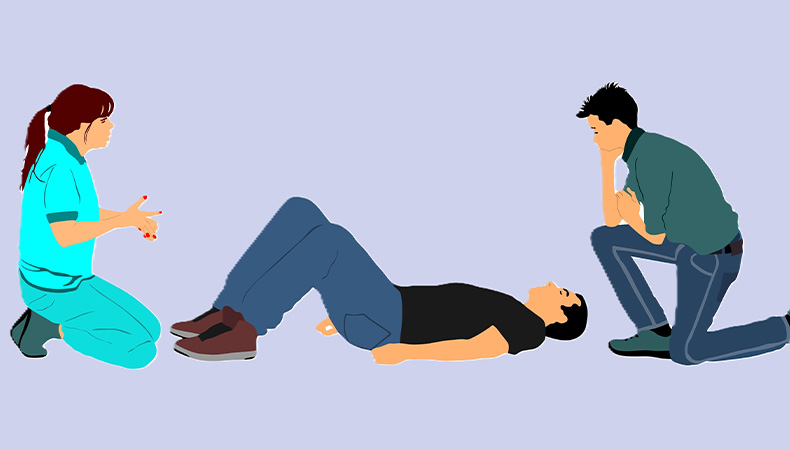
We have come a long way in normalising early intervention for mental health. Mental health first aiders are now a familiar part of many workplaces, helping people recognise problems earlier, start conversations and find the right support. Workplace MSK support, by contrast, often switches on only once someone is in significant pain.
For benefits leaders, that gap matters. In Great Britain, 511,000 workers reported a work-related MSK disorder in 2024/25, with 7.1 million working days lost, according to the Health and Safety Executive.
Pain is usually a late signal
Most workplace MSK risk builds quietly, through prolonged static work, limited movement variety and workload pressure. By the time someone reports pain, the habits behind it are often well established.
Many organisational systems reinforce this without meaning to. A referral route that needs a diagnosis, a private medical pathway that starts with a GP appointment, or a worry that mentioning stiffness will seem like overreacting can all teach people to wait. The earliest and least costly window for action is the one most often missed.
It also makes MSK cost hard to see. Absence and claims data capture the cases that have already escalated. An employee quietly managing back pain for months, while it affects their comfort and concentration, rarely appears in either.
People and services change outcomes
The evidence is encouraging, with real limits. A systematic review of return-to-work coordinators found strong evidence that face-to-face contact with a named person reduced the length of work absence, and moderate evidence that it reduced costs (Journal of Occupational Rehabilitation. It covered sick and injured workers generally, not MSK alone.
Prevention is harder to prove. A network meta-analysis of 24 trials involving 7,080 office workers found that physical activity probably reduces work absence slightly, and that combining it with ergonomics may reduce back pain intensity. The authors rated the certainty of the evidence as low to very low.
The takeaway is that single measures on their own show modest effects. The more promising route is joined-up support, with people inside the workplace helping to connect it.
MSK needs the first responders that mental health already has
Mental health first aiders are not there to replace professional support. Their value lies in noticing, listening and helping people find the right help. The same model translates well to MSK.
That means someone who spots early warning signs, has a calm first conversation and knows where to point a colleague next, without diagnosing or prescribing.
It is an approach we have been developing with Orthopaedic Research UK, and one we believe any organisation can start building, whatever support it already funds.
What this means for benefits design
- Existing support works harder when it is used earlier. A physiotherapy benefit or employee assistance programme reached in the first weeks of discomfort is being used where it can do most.
- Coordination matters as much as provision. Trained people inside the organisation can supply the joining up that the evidence points to.
- The business case does not need perfect data. Absence records, a claims breakdown from your broker and a short anonymous pulse survey are enough to build a conservative range and justify a first step.
None of this replaces occupational health or clinical care. But mental health first aid has shown the value of an early, human first response, and musculoskeletal health could benefit from the same.
Vitrue Health observes musculoskeletal risk and activity patterns across desk-based workforces globally, while our clinical team closely follows the emerging peer-reviewed evidence on early workplace intervention.
Become a certified MSK champion |
| The MSK Champion Certification, developed by Vitrue Health with Orthopaedic Research UK, is a free, CPD-certified, 90-minute online course. It helps HR, reward, wellbeing and people leaders recognise early warning signs, support colleagues and build the business case for proactive MSK support. Everyone who completes it receives a Certified MSK Champion certificate and a LinkedIn badge. Start the MSK Champion Certification |
Supplied by REBA Associate Member, Vitrue Health
AI-powered MSK health - preventing pain before it hits claims and pathways