When neurodiversity support is overlooked in the workplace
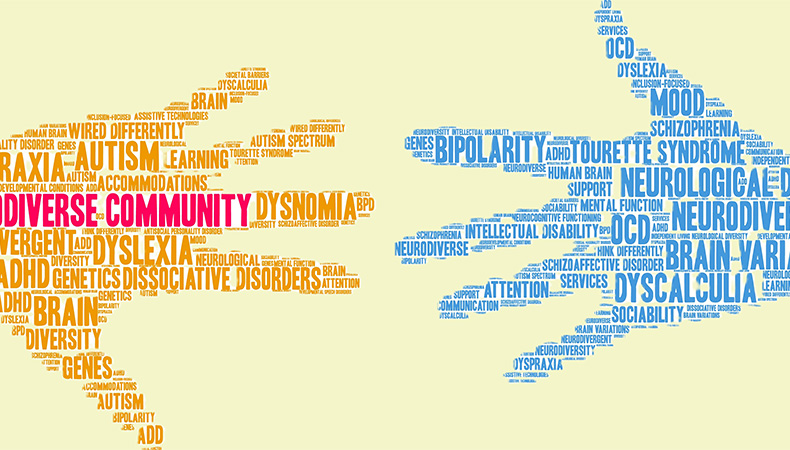
Neurodiversity is increasingly recognised in workplace policies. Still, many neurodivergent employees face daily challenges that can go unnoticed or unsupported.
When strengths are overlooked and needs go unmet, the impact extends beyond individual confidence, influencing attendance, wellbeing, performance and ultimately organisational outcomes.
The problem
Many neurodivergent employees navigate workplaces not designed with cognitive differences in mind, which can make employees feel pressure to mask differences or delay seeking support.
Without clear understanding or appropriate adjustments, individuals may experience:
- Ongoing overwhelm from sensory or environmental factors
- Difficulty with unclear expectations or inconsistent communication
- Exhaustion from masking or overcompensating, risking burnout
- Anxiety linked to performance reviews or perceived underperformance
Many managers want to help but are unsure how best to provide practical support. HR leaders may wish to expand wellbeing strategies but need guidance on evidence-based approaches. In some cases, individuals may not have a formal diagnosis, making conversations about support feel uncertain or complex.
When processes or training are missing, talented employees can begin to disengage, doubt themselves or consider leaving.
Wider impact
The cost of missed support extends beyond the individual, affecting home life and creating ripple effects across teams and organisations.
When neurodivergent employees feel misunderstood, businesses may see:
- Increased absenteeism or presenteeism
- Reduced productivity and avoidable performance concerns
- Higher staff turnover and recruitment costs
- Strain on HR and line management teams
Organisations risk losing the very strengths neurodiversity brings: creativity, focus, innovation, systems thinking and problem-solving.
Financially, poor mental health costs UK employers up to £56 billion annually through absenteeism, presenteeism and turnover.
The impact is not limited to employees’ own neurodevelopmental differences. Nearly half of working parents report concerns about their children’s mental health, which also affects workplace productivity and retention. ADHD and autism can run in families, meaning neurodiversity often affects multiple members.
Creating meaningful employee benefits
For organisations, this highlights the importance of benefits and support that extend beyond the individual employee. Creating inclusive environments and meaningful employee benefits is not simply a wellbeing initiative; it is a strategic choice that strengthens retention, engagement and organisational outcomes.
“In my experience, organisations rarely lack intent, they lack clarity. HR leaders genuinely want to support neurodivergent employees but aren’t always sure what meaningful support looks like in practice. When the right structures are in place, the shift is tangible,” said Stephen Hancock, divisional director at Melios.
“People move from coping to contributing, confidence grows and businesses retain the strengths neurodiversity brings. This isn’t simply a wellbeing initiative, it’s about fairness, sustainability and unlocking potential in a way that benefits the whole organisation.”
What good supports look like
Good support goes beyond a neurodiversity policy - it requires practical adjustments, everyday management and an inclusive team culture.
This includes:
- Manager training to build confidence and understanding
- Clear, structured communication and expectations
- Tailored recruitment processes
- Flexible working approaches
- Environmental or workload adjustments
Crucially, support is personalised. Two employees, neurodivergent or neurotypical, may require different adjustments to thrive. Great minds think differently, and this should be encouraged.
Structured assessment pathways can provide clinically robust, needs-led evaluations, helping both employees and employers understand specific requirements. Post-assessment support, including signposting and mental health interventions where appropriate, turns uncertainty into actionable next steps.
Proactive, evidence-based support increases engagement, workforce contribution and organisational outcomes.
When support may help
Sometimes challenges persist despite informal adjustments, leading to burnout. Professional assessments can help clarify underlying neurodevelopmental or mental health needs, providing:
- Understanding of strengths and differences
- Practical, workplace-focused recommendations
- A shared framework for supportive conversations
- Post-assessment support and treatment where appropriate
Organisation-funded assessments can form part of a broader wellbeing or inclusion strategy, helping employees and their families access early, life-changing support while improving performance, retention and wellbeing.
Neurodiversity at work is not just about awareness - it is about action.
Missed support affects individuals and organisations alike. Tailored, evidence-based support enables employees to grow, while workplaces benefit from stronger engagement, retention and performance.
Supplied by REBA Associate Member, Melios part of Healios
Melios provides clinically robust, needs-led neurodiversity and mental health care for individuals and employers.