How greater equity and accessibility fixed a 95% benefits imbalance

Designing a benefits strategy is one thing, but getting the board to back it is another.
That was the situation facing Bupa. Despite significant spend, the organisation uncovered a stark imbalance.
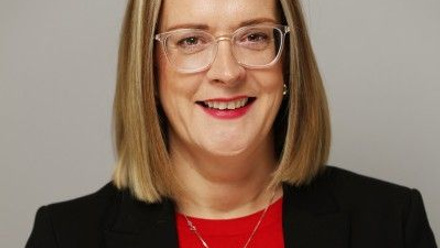
“When it came to our benefits spend, the challenge we had was that we were spending 95% of our spend on 40% of our people,” said Sheryl Lee, people experience and operations director at Bupa, shared in a recent masterclass with Benifex.
This concentration of investment at the top of the organisation meant large parts of the workforce were underserved. “There were significant cohorts that weren’t getting the rich benefits support that we expect,” said Lee.
How Covid brought imbalance into focus
The timing made the issue even more acute. Bupa’s transformation began in the aftermath of Covid, when the contribution of their frontline and key workers serving their customers and care home residents had been brought into sharp focus.
There was a growing recognition internally that these employees deserved more, said Lee. “Bringing healthcare to all is our core mission at Bupa. To make that real, we had to start internally.”
Listening to employees
Like many large employers, Bupa had built up a broad portfolio of benefits over time but was struggling to manage them.
“They were not very well organised or accessible to our people. It became apparent that our huge investment into benefits was not being maximised,” said Lee.
Through surveying its employees, it realised that people didn’t always know what was available or how to access it. For deskless and frontline workers in particular, benefits could feel distant or irrelevant.
To unlock investment into a new benefits system to better manage benefits, and unlock more return on investment, Bupa needed to shift how benefits were discussed at senior level.
Reframing the board conversation
“When pitching benefits technology to the CPO, we explained that we’re not going to get the return on investment from that existing big investment into benefits if we don’t do something like this,” said Lee.
This was a critical turning point. Benefits technology was framed as essential to unlocking value from existing spend.
What really struck a chord with senior stakeholders was the idea that “technology levels the playing field: it’s accessible to everyone and personalised to the individual.”
By emphasising accessibility and equity, the team were able to connect the proposal directly to both employee experience and business performance.
Linking benefits to outcomes
A key part of securing buy-in was demonstrating how benefits would contribute to organisational success. Notably, the organisation was about to embark on a major growth journey and needed its people to come with it.
It realised that improving its benefits offering could help employees to feel supported and valued during a period of accelerated change and growth – when they were asking for everyone to step up. “We wanted them to feel that their deal was fair,” said Lee.
When pitching to the CPO, Lee and her team focused on aligning its benefits strategy to core business metrics, including:
- Attrition and attraction
- Employee health and wellbeing
- Absence and performance
- Engagement and advocacy
- Customer outcomes and NPS
- Strategic growth ambitions
As Lee puts it: “We framed it around business benefit – being commercial about it – but also in terms of supporting our people to live healthier lives.”
“It’s no denying that we’re asking for a leap of faith,” said Lee.
Even with a strong case, securing funding wasn’t straightforward. The team faced familiar challenges: competing priorities, questions about additional investment (when benefits already had significant investment), and concerns about how the solution would work for a diverse workforce.
While metrics helped build the case, they weren’t enough on their own. For Bupa, employee stories played a crucial role in bringing the strategy to life.
By highlighting the real difference benefits made – particularly during difficult periods – the team was able to move the conversation beyond abstract data. This combination of insight and human impact proved powerful in influencing senior stakeholders.
Delivering impact: from imbalance to inclusion
The results of Bupa’s transformation were significant.
By rebalancing investment, improving accessibility, and introducing a more personalised experience, it saw a marked improvement in employee sentiment in its surveys.
Benefits now reach a much broader and more representative cross-section of the workforce, including those who had previously been overlooked, such as care home workers on the frontline.
Final thought
Bupa’s story shows that being clear on what you’re asking for, why it matters, and showing genuine belief in the outcome is critical to unlocking investment in benefits. But just as importantly, Lee highlights that “the people story is absolutely the most critical point in all this”.
In practice, this meant going beyond charts and graphs to show the real-world impact of benefits. By bringing to life the difference they were making to employees – particularly during challenging moments – the team were able to build a far more compelling case for investment.
Ultimately, it was these human stories, rather than metrics alone, that had the greatest impact on decision-makers.
Missed the live masterclass? Catch up on the session here.
Supplied by REBA Associate Member, Benifex
The home of award-winning employee benefits, reward, recognition, & communications.