Striking the balance between employee responsibility and employer support for health
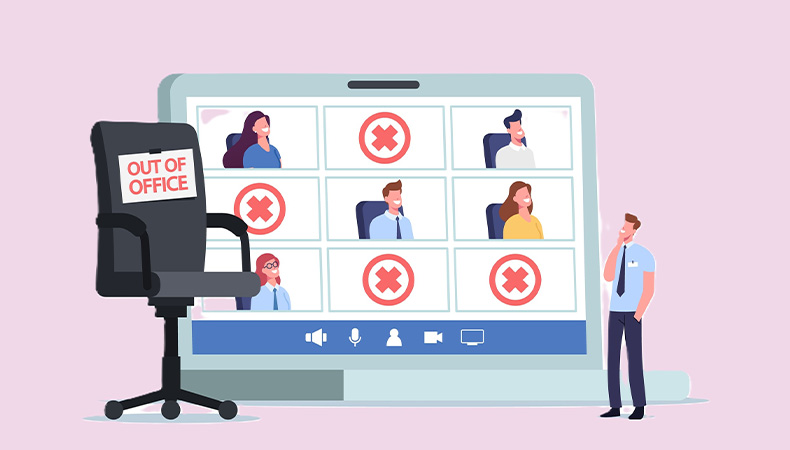
The health of the UK workforce is at a critical point, with average sickness absence increasing 62% compared to 2022 figures, according to the Chartered Institute of Personnel and Development’s latest data.
This rise is not just a statistic; it represents millions of lost working days and billions in lost productivity. For small and medium-sized enterprises (SMEs), the impact is even more acute.
Unum’s recent research reveals that UK SMEs lose an estimated £29 billion annually due to sickness-related productivity drops, yet 27% of SMEs have no dedicated wellbeing budget at all, a figure that climbs to 47% among micro businesses with fewer than 10 employees.
Who’s responsible?
These numbers raise an important question: where does health ownership truly lie? Is it the employee’s responsibility to manage their wellbeing, or should employers be creating healthier workplaces?
The reality is that neither approach works in isolation. The Government’s Keep Britain Working Review offers a compelling answer: shared responsibility. This framework calls for employers, employees and health services to collaborate across a “healthy working lifecycle,” with employers leading on prevention, early intervention, and workplace adjustments.
Historically, health benefits were seen as a perk, a nice-to-have for recruitment and retention. Today, they are a business imperative. Poor health doesn’t just affect individuals; it erodes productivity, disrupts operations and inflates costs.
Cost to employers
Unum’s research found the median annual cost of sickness for SMEs is £27,964 per business, equivalent to 1.7% of average total turnover. Mental health is consistently a key reason for absence, accounting for nearly half of all time off - underscoring why wellbeing can no longer sit on the periphery of business strategy.
Yet many employers remain hesitant. Unum’s research demonstrates a widespread lack of confidence among managers when addressing health issues, particularly mental health with 34% of SME decision-makers say managers hesitate to discuss mental health, rising to 47% in medium-sized businesses.
Fear of saying the wrong thing or triggering legal complications often leads to silence, leaving problems to escalate. At the same time, government guidance is fragmented and unclear with only 6% of SMEs saying they fully understand their wellbeing responsibilities. This uncertainty reinforces a reactive approach, where action is taken only after problems arise.
Who has control?
So how do we rebalance health ownership? First, employees must retain control and autonomy over their personal health decisions, but they need accessible support in order to act early and proactively.
Digital health services, such as Help@hand from Unum, provide 24/7 GP access and unlimited mental health consultations, removing barriers to care and accelerating positive outcomes.
For employers, the priority is prevention and confidence. Training line managers to spot early warning signs and hold supportive conversations is essential. Job design also matters; from predictable hours, manageable workloads and ergonomic basics that significantly reduce health risks.
Investment is key
While many SMEs cite rising costs as a barrier, the business case for wellbeing is clear. Every pound spent on early intervention can save multiples in avoided absence and turnover.
Scalable solutions such as health cash plans, employee assistance programmes (EAPs) and income protection offer affordable entry points for smaller firms.
Policy reform could strengthen this impact, with measures like tax incentives and national standards helping SMEs invest more confidently. This is an example of one of the proposals set out in the Keep Britain Working Review, which Unum is now helping to trial through the Vanguard phase, to see what helps people stay in and succeed at work.
Ultimately, ownership does not mean offloading responsibility onto employees. It means clarity of roles. Employees bring disclosure and engagement; employers provide prevention, access and a supportive culture, and the Government supplies standards, incentives, and a robust data backbone.
With sickness absence now averaging 9.4 days per employee and SMEs carrying billions in lost productivity, the employer’s role is shifting from benefit-provider to health-enabler. Embracing this evolution is not just good for people, it’s essential for productivity, resilience and sustainable growth.
Supplied by REBA Associate Member, Unum
Helping the working world thrive throughout life’s moments’