
How AI shows preventative health as a serious business metric
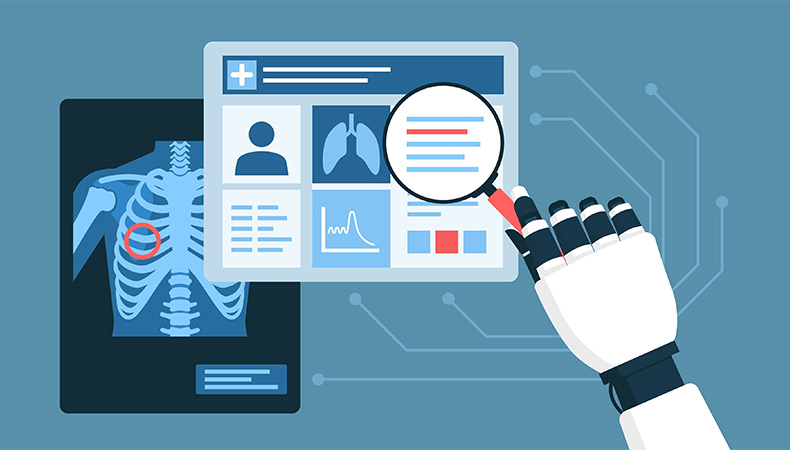
Preventative health has been sitting in benefits strategies, people plans and ESG commitments for the better part of two decades. The rationale is so obvious it almost writes itself: catch problems early, reduce cost, protect people. Everyone nods along. Nobody argues with it.
And yet if you asked most benefits leaders today to honestly say whether their preventative health provisions actually work, most of them would go quiet.
They don’t have any way to know who uses what. They can’t show how their initiatives reflect the real health risks in their workforce. They may feel it but they can’t prove whether any of it is moving the needle on outcomes or cost. They instinctively invest in things that employees ask for or that feel right, and hope for the best, because until recently there was no other way to do it.
The data problem
The core challenge is an information problem, and it's a pretty unglamorous one. Most large organisations have no single source of truth for what health benefits and support they provide globally. Insurers across fifteen countries, multiple EAP providers, wellness platforms, mental health apps. Each produces data in their own format, most of it inaccessible to the central team that's supposed to be making strategic decisions with it.
That's before you even get to the variation in population health risk. A manufacturing workforce in Southeast Asia has an entirely different demographic profile, risk landscape, and relationship with healthcare than a professional services team in Germany.
No single strategy meaningfully accounts for all of that, and if we’re honest, most organisations aren’t currently trying to. They default to broad strokes: well-intentioned global campaigns, generic content that won’t cause problems, initiatives that look good on paper. It's not that they are cynical, it's just the only thing that's been possible. The sad impact is that good intention is diluted, untargeted, and the finance team knows it.
What AI actually changes
Here's where it gets genuinely exciting. AI can take messy, unstructured benefits data across dozens of markets and turn it into something you can actually reason about. You can see what exists, spot where coverage is thin and identify where you’re duplicating spend on programmes that serve the same population. That visibility alone is a bigger deal than it sounds, because most organisations genuinely don’t have it.
The more interesting part comes next. Once you have clarity at the global employer level, you can do something meaningful at the individual employee level too. You can understand your population well enough to say: "We have a significant cohort of employees in their late 40s in markets where cardiovascular screening access is limited. How do we fill that gap, and how do we make sure the people most at risk actually know about it?"
That's not a generic wellbeing message, it’s a targeted intervention grounded in real population data. These comms catch things early, improve individual outcomes and help downstream claims costs and absence figures in ways you can actually talk about in a budget meeting.
Measurement is everything
You don’t need sensitive clinical data to build a credible measurement story, which is good news because you’re not going to get it.
Using aggregated, anonymised data, you can track how engagement with specific programmes correlates with claims over time, and how absence levels shift against the health risk profile of your workforce by region.
It won’t give you clean causal proof, and you shouldn’t pretend it does. But it's enough to shift the conversation from "we believe this is valuable" to "here's what we’re seeing, and here's what we expect over the next 24 months." That is a fundamentally different position to walk into a CFO conversation with.
For most organisations, the opportunity isn’t about spending more. It's about using what already exists far more intelligently. The investment is largely already there.
The gap is visibility, targeting, and measurement, and that, finally, is a solvable problem.
Join the conversation
On Thursday, April 30, Dana Citron, director of Global Health and Wellbeing at DHL Group, is joining Max Landry, CEO of Euphoric, to talk through exactly this. Dana leads preventative health across one of the most complex global workforces in the world, with real public health expertise and genuine commercial accountability for outcomes.
Together they'll cover what's becoming possible now, what measurement looks like in practice, and what leaders should actually be prioritising over the next 12 to 24 months.
If you've ever had to defend a preventative health budget without the data to back it up, this conversation was designed for you. Register here to attend the webinar.
Supplied by REBA Associate Member, EUPHORIC
AI-powered global benefits. Clarity for employers, simplicity for employees.