5 reward and benefits trends shaping HR strategy in 2026

A new research report by Benifex, Energizing Reward and Benefits: How HR, Reward and Benefits leaders can tackle the big five challenges of today, highlights the trends reshaping priorities for employers in 2026.
The study, conducted by Insight Avenue in early 2026, gathered perspectives from 600 HR, reward and benefits professionals alongside 7,000 employees across several international markets.
The findings reveal five major developments influencing how organisations approach reward, wellbeing and employee experience.
1. Employees are still unclear about the value of benefits
Many employers continue to invest heavily in benefits programmes, yet employees often fail to recognise the improvements being made.
According to the research, nearly two-thirds of employers say they have enhanced or expanded their benefits offering during the past 12 months. However, only around one-third of employees believe their package has improved.
This disconnect is frequently caused by fragmented systems and poor communication rather than a lack of investment. Employees can struggle to find, understand or access the support available to them when information is spread across multiple platforms or presented inconsistently.
As benefits become more closely linked to wellbeing, retention and financial resilience, improving visibility and accessibility is becoming just as important as the benefits themselves.
2. HR teams are being asked to prove measurable business impact
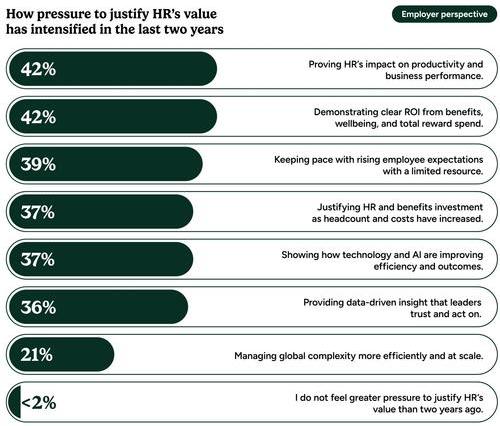
Senior leadership teams are increasingly expecting HR functions to demonstrate commercial value in clear financial terms.
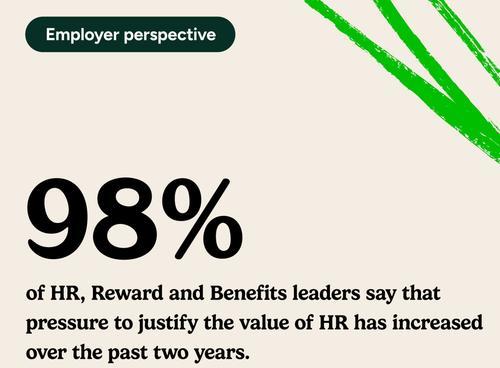
The research found that almost all HR, reward and benefits leaders report growing pressure to justify investment decisions to boards and finance leaders. At the same time, many organisations say business cases for HR technology or benefits programmes fail because proposed outcomes are not aligned with the metrics senior stakeholders prioritise.
This is pushing HR leaders to rethink how they position reward and benefits investment. Rather than focusing solely on employee engagement, organisations are increasingly linking people initiatives to productivity, retention, workforce stability and overall business performance.
3. AI is reshaping expectations of HR and reward functions
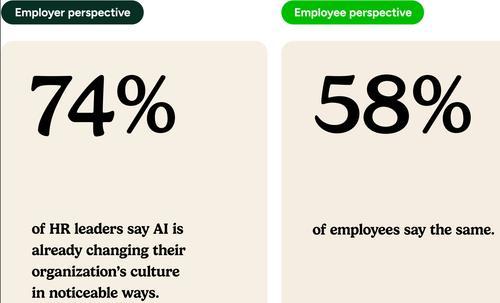
Artificial intelligence is creating both opportunity and uncertainty within HR.
More than half of HR and reward professionals surveyed say they are concerned about the long-term impact of AI on their own roles. Yet many also see significant potential for AI to strengthen workforce planning and improve decision-making.
AI-enabled benefits platforms are giving organisations access to more sophisticated workforce insights, helping teams model future costs, predict demand and evaluate the impact of different reward strategies.
This is changing how organisations build investment cases. Instead of relying mainly on historical reporting, HR leaders can increasingly use predictive insights and scenario modelling to demonstrate future business value.
4. Wellbeing is becoming central to successful AI adoption
The research suggests organisations implementing AI without supporting employee wellbeing may struggle to realise the full benefits of technological change.
In workplaces where wellbeing is prioritised, productivity improvements linked to AI adoption were found to be significantly stronger than in organisations focusing purely on efficiency gains.
This reinforces the growing connection between employee support and organisational performance. As businesses accelerate transformation programmes, benefits and wellbeing strategies are increasingly viewed as part of the infrastructure needed to sustain resilience, adaptability and long-term performance.
However, many HR leaders believe current AI discussions remain too narrowly focused on productivity rather than workforce experience.
5. Pay transparency is creating new organisational pressures
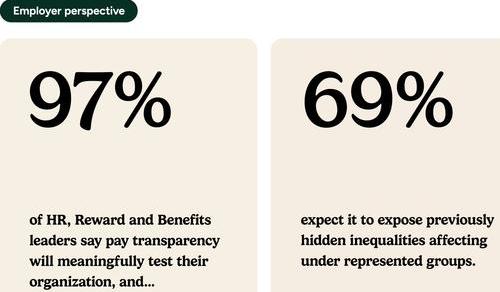
The move towards greater pay transparency continues to gather momentum, driven partly by regulatory developments such as the EU Pay Transparency Directive.
Many organisations acknowledge they are not yet fully prepared to explain differences in pay and total reward clearly and consistently.
This is increasing the importance of tools such as total reward statements, which allow employees to see the wider value of pensions, benefits and wellbeing support alongside salary.
Handled effectively, transparency can strengthen trust and improve employee understanding of reward. Poor preparation, however, risks exposing inconsistencies that organisations may struggle to justify.
Reward and benefits are becoming more strategic
The research highlights how rapidly the reward and benefits landscape is evolving. It also underlines the growing strategic importance of HR teams that can combine data, technology, wellbeing and employee experience into a coherent workforce strategy.
For reward and benefits leaders, this represents an opportunity to move beyond administration and play a more influential role in shaping organisational performance and future workforce resilience.
Read the full Benifex research report, Energizing Reward and Benefits for deeper insight into the trends reshaping reward and benefits.
Join Benifex live on 24 June to unpack the 5 key trends from the research. Register for webinar.
Supplied by REBA Associate Member, Benifex
The home of award-winning employee benefits, reward, recognition, & communications.