
How to create a benefits programme for the sandwich generation
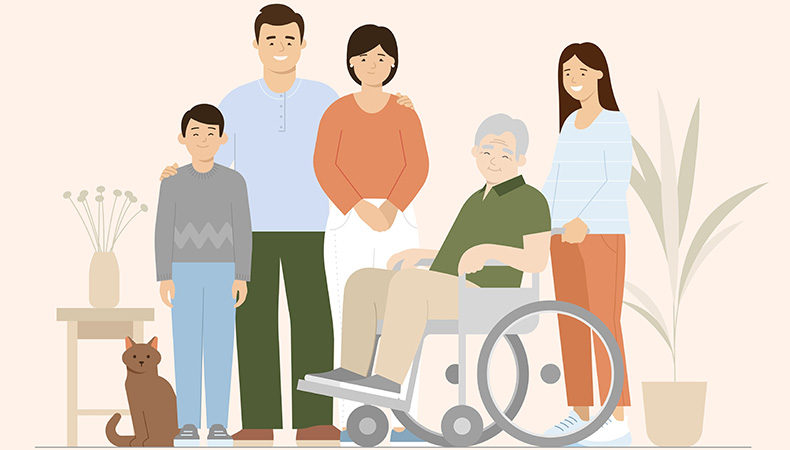
The UK workforce is quietly holding up two generations at once - and it’s reshaping what “family-friendly” support needs to look like.
As people live longer and have children later, more employees are juggling childcare and eldercare at the same time. These “sandwich generation” workers often do so without feeling able to talk about it.
This overlap has real consequences for employers: greater strain, unpredictable commitments and a growing emotional load.
With the Employment Rights Bill widening support for carers and extending flexible working rights, the expectations on employers are rising too.
HR and reward leaders are now being asked not just to adjust policies, but to rethink what a genuinely family-supportive benefits programme looks like in a world where care is more complex, prolonged and widespread.
Many organisations are only just beginning to recognise how significantly the sandwich generation’s needs differ - and how existing benefits often fall short. The good news is that supporting them doesn’t require a complete overhaul, but a more intentional, life-stage-driven approach.
Here are four practical ways HR and reward teams can start closing the gap:
1. Understand the realities behind the pressure
For many in the sandwich generation, caregiving isn’t a short-term situation - it’s a sustained period of juggling emotional, financial and logistical demands. And unlike childcare, eldercare often arrives suddenly, changes quickly and comes with more uncertainty.
What this commonly looks like:
- Balancing school runs with medical appointments
- Managing parents’ finances, health decisions or household duties
- Taking emergency time off at short notice
- Navigating guilt, exhaustion and the sense of being stretched in every direction
- Reduced time for personal wellbeing, progression or recovery after stressful periods
Start by listening:
- Run a confidential pulse survey to understand who is caring and what support gaps exist
- Track usage patterns of existing benefits to highlight where under- or over-engagement may signal unmet needs
- Use anonymised feedback from EAP or manager check-ins to identify themes
- Encourage employees to self-identify as carers without stigma
Best practice tip: Many carers simply won’t speak up unless prompted. Create safe, stigma-free channels for sharing caring responsibilities - and keep them open all year.
2. Build flexibility into the heart of your benefits
With new flexible working rights coming into force, employers have an opportunity to turn policy changes into meaningful, lived experience.
Flexibility is a fundamental. The unpredictability of eldercare in particular means that employees need benefits and working arrangements that can flex around sudden or irregular commitments.
Practical actions include:
- Expanding micro-flexibility: Offer short-notice allowances for emergencies, rather than relying solely on formal carer’s leave.
- Ensuring easy access to virtual care: Virtual GP appointments, rapid referrals and evening/weekend availability can be game-changing for time-poor carers.
- Making policy navigation simple: Clearly signpost carer’s leave, parental leave and flexible working options so they don’t get lost in wider HR documentation.
- Supporting managers: Provide guidance to help line managers manage flexible arrangements fairly and empathetically.
Key takeaway: Employees should walk away feeling supported, not guilty, when they need time for care.
3. Extend wellbeing support to the whole household
Worryingly, 80% of carers report that caring is likely to impact their physical and/or mental health in the year ahead. Employees in the sandwich generation often put their own wellbeing last - and their family’s needs first.
That means traditional, employee-only wellbeing support may not hit the mark. Supporting the whole household can make a measurable difference.
Options to consider:
- Extending EAP access to partners, children and, where possible, older dependants
- Family-inclusive PMI or digital healthcare, where providers allow dependent or household coverage
- Access to an eldercare advice and navigation service, helping employees understand, find and coordinate appropriate care for ageing loved ones
- Carer-specific mental health support, such as stress coaching or counselling
- On-demand wellbeing hubs, giving carers the ability to access help at off-peak or unsocial hours
- Health guidance or signposting for navigating the complexities of eldercare
Best practice tip: People caring for two generations rarely have capacity to prioritise themselves - so make wellbeing support as accessible, inclusive and low-friction as possible.
4. Strengthen financial wellbeing to reduce long-term strain
Caring for two generations can place employees under intense financial pressure. Employers have a significant opportunity — and responsibility — to help reduce this burden.
Ways to offer support:
- Financial coaching tailored to multi-generational planning
- Tools to help manage competing financial commitments, from school costs to eldercare fees
- Legal and life-planning benefits, such as will-writing or power of attorney support
- Pension guidance, helping carers maintain contributions during periods of reduced hours or leave
- Salary-deducted savings or short-term loans, reducing the risk of high-cost credit during crises
This is also a key moment to consider gender equity. Women are statistically more likely to shoulder unpaid care. In fact, women are seven times more likely than men to be out of work due to caring commitments, and nearly half of working-age women are providing an average of 45 hours of unpaid care every week (compared to 25% of men providing 17 hours).
Key takeaway: Strong financial wellbeing support isn’t just about crisis management - it’s about protecting long-term security for employees who are stretched on all sides.
The sandwich generation: a new priority for employers
The sandwich generation may not always be visible, but the pressure they carry is significant - and growing.
By listening closely, building in flexibility, supporting whole households and strengthening financial wellbeing, HR and reward leaders can create programmes that help employees navigate one of the most challenging life stages with confidence and dignity.
Supplied by REBA Associate Member, Ciphr Benefits (formerly Avantus)
We build online, highly configurable flexible benefits and technology platforms, trusted by customers and intermediaries around the world.