Tips for using recognition to unite a global workforce
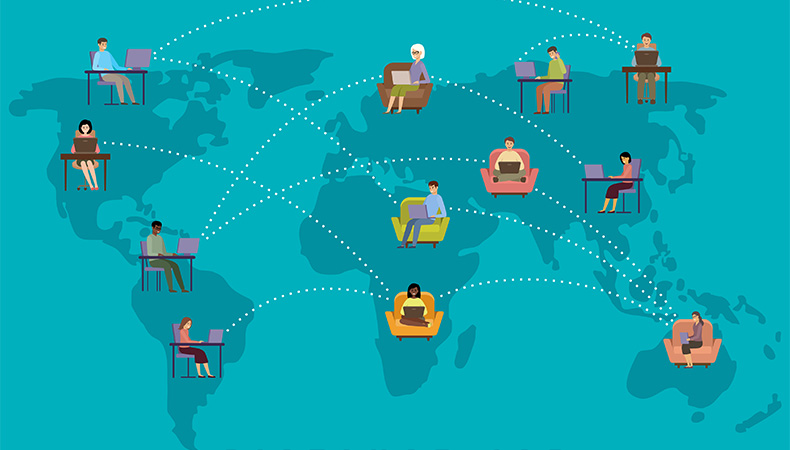
As workforces become more global so does the need to keep people connected, engaged and supported.
Feeling disconnected or isolated is never ideal in any workplace. When that sense of disconnection creeps in, it often sets off a ripple effect. People who feel disconnected are usually less productive than those who feel engaged, included, and genuinely invested in what they’re doing.
It can also take a toll on mental wellbeing, and when that’s affected, it’s only natural for engagement and morale and productivity to dip.
Teams that are spread across different locations, time zones, and cultural backgrounds face extra hurdles when it comes to staying connected. What might feel like a small gap for a co-located team can be much harder to overcome when there are hundreds or even thousands of miles between a global team.
Why recognition is the key
Employee recognition is at the heart of workplace wellbeing and engagement. Just one simple act of recognition helps a person feel valued and appreciated at work, which boosts morale and self-esteem in the workplace. In fact, 51% of employees state that direct recognition from managers positively impacts their morale and engagement. But what’s the connection?
You only need to look at Maslow’s Hierarchy of Needs to understand why this happens. According to Maslow, people can reach their full potential, known as self-actualisation, once their more basic needs are met.
These include physiological needs, safety, a sense of belonging, and self-esteem. When these foundations are in place, individuals are far more likely to feel fulfilled, engaged, and motivated. So, since the act of recognition brings together a sense of belonging and emotional connection, it’s one of the solutions that can bridge the gap between global teams and their organisations.
Recognising a global team
Recognition doesn’t always work in the same way for global teams as it does for local ones, but with a thoughtful and inclusive approach, it can feel just as meaningful, if not more so. It’s really about understanding what matters to people in different contexts and adapting your approach, so everyone feels seen, valued, and included.
- Time zone differences: Working across time zones brings flexibility, but it can also make recognition harder to deliver consistently. When teams are spread out, great work can easily go unnoticed and become difficult for HR teams to track.
Tip: To make recognition more visible, use platforms that enable real-time recognition and create shared spaces such as feeds or hubs where achievements can be seen and celebrated across locations.
- Keeping reward and recognition fair: Currency exchange rates are something you need to consider when rewarding your people after recognising their hard work. The challenge with many reward and recognition processes is that they typically only cater to one currency, meaning the value of any rewards sent to international employees needs to be converted into their local currency. Not only can this delay rewards, but it also means international employees may miss out on the true value of the reward due to fluctuating exchange rates.
Tip: Using localised or multi-currency reward options helps ensure recognition feels fair and equal, wherever employees are based.
- Cultural influences and context – ensuring consistency and authenticity: Lastly, culture plays an important role in reward and recognition. When recognising international teams, it’s important to balance cultural differences with shared organisational values so recognition feels consistent while still being meaningful. What resonates in one culture may not in another, so a thoughtful and inclusive approach is key.
Tip: One of the best ways to make sure every employee has access to rewards they’ll truly value is by localising items in the reward catalogue to their specific country. That way, each individual can browse the rewards they want, out of a selection of products that they relate to and are familiar with.
Supplied by REBA Associate Member, Boostworks
We’re the people that help people thrive.