The reward and benefits landscape – what to expect in 2026
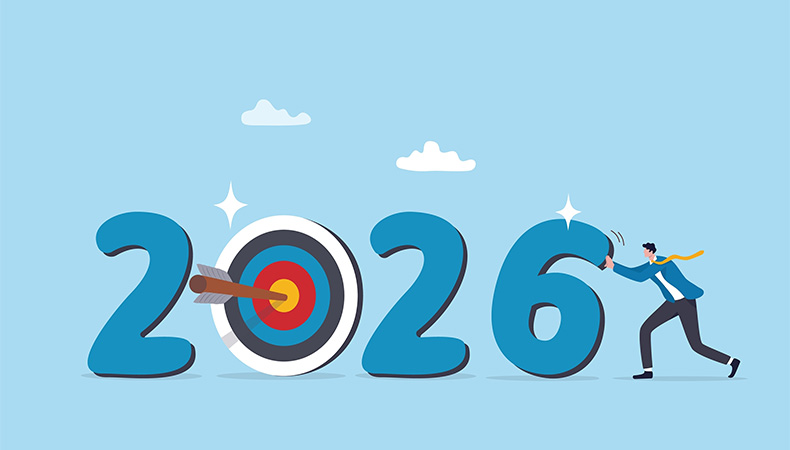
As we settle into the early days of 2026, reward and benefits strategies are being reshaped by rising employee expectations, economic pressure and rapid technological change.
Simplicity for maximum impact
One overriding theme we expect to continue into 2026 is towards more focused and personalised reward strategies. This means moving away from long lists of benefits and instead prioritising those that genuinely matter to employees, with financial sustainability and health currently topping the list.
However, this requires a careful balancing act: while benefits must adapt to individual needs, too much complexity can quickly undermine understanding and engagement.
Two key areas should be considered:
- Affordability and measurement: Not only is affordability important, it is also crucial that organisations measure the value their benefits are generating. This is a key data point and the ‘impact’ evidence needed to inform and underpin further investment in benefits - especially with app-based platforms that allow people to choose and ‘favourite’ what’s important to them.
- Cultural alignment: This continues to emerge as a strategic priority: a pick-and-mix offering tailored to your organisational demographics while also reflecting your company culture and values.
Boosting benefits engagement
There is currently a major paradox at play confounding the CPO and reward community: while reward tech is booming, and with it advances in communication, many of us are still finding meaningful engagement hard to achieve. This is a multi-faceted issue:
- Message fatigue: For those regularly online, messages are being lost in the sheer volume of communication
- Multiple sources: That saturation is ever more complex as it comes from many different places
- Deskless workers: The challenge of engaging deskless workers is harder because the uptake of tech can be inconsistent.
If an intuitive tech platform is only one part of the jigsaw, solving these issues takes a creative mix of solutions, including:
- Best practice ambassadors: HR can create living case studies by drawing on the positive stories and experiences of colleagues engaging well in benefits, for example young people being ambassadors for pensions
- Reverse total reward statements: This is an embryonic solution using “look at what you could have won” messaging to highlight where employees are missing out
- The power of face-to-face: To mitigate challenges faced by deskless workers, many people teams are reverting to letters home and face-to-face communication and onboarding.
Driving performance
Moving forward, we are seeing an evolution in performance incentives, backtracking to a certain degree, but including more focus on personal accountability and delivery.
In many cases, traditional performance ratings are making a comeback, but the 2.0 versions prevalent in 2026 are boosted with additional incentives to ‘live the values’ and ‘demonstrate the right behaviours’.
In some cases, this can open up new conversations around pay review and bonus opportunities as financial outcomes become more enmeshed with operations.
Transparency driving equitable outcomes
Another key area of focus for 2026 is promoting equitable outcomes around reward and benefits. Pay transparency is a key driver of change here:
- Encouraging robust and clear benchmarking
- Paving the way for greater visibility around career paths and associated pay
- Supporting pay gap reporting and associated actions.
Delivering a benefits offering that can support and protect employees when they need them most – for example online GPs, affordable cash plans, voucher saving schemes, financial guidance and mental health support - is another important step towards equity in the EVP.
New focus on wellbeing
Many organisations are only now starting to switch onto the concept of employee ‘wellbeing’. When a recent focus group quizzed young people on their base expectations around wellbeing, two relatively simple requests came out on top:
- A calm space they could access when they needed to
- The flexibility to be able to use it
Putting these kinds of benefits in place can be a quick win to support diverse talent.
An eye on the future
As we embark on 2026, much of the talk is geared towards AI and how it will influence our future work and reward landscape. Skills-based workforce design is moving on at pace and how we reward the skills needed in the future is a challenge being grappled with right across the profession.
Supplied by REBA Associate Member, Personal Group
Personal Group provides the latest employee benefits and wellbeing products.