
Pets: The overlooked ally in Gen Z and Millennial wellbeing
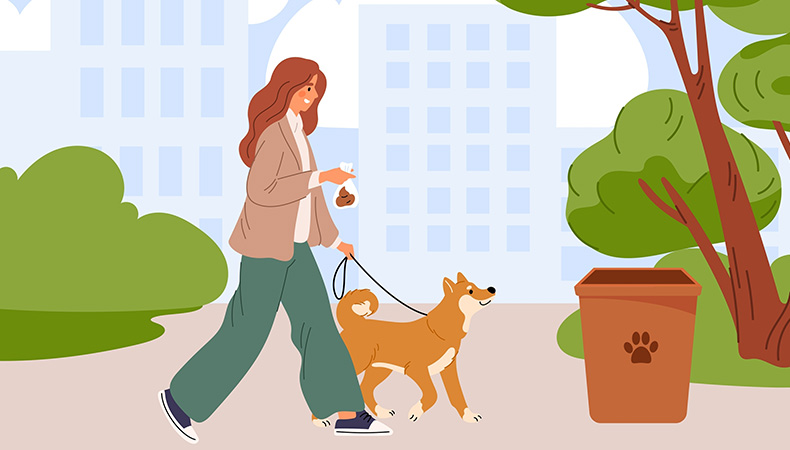
For younger generations, animals are becoming an increasingly important part of their work-life balance themes. Gen Z (78%) and Millennials (73%) are leading the way in pet ownership, compared with 51% of adults overall, while also driving the growth of new pet households.
Even for non-animal lovers, understanding their impact reveals why pets are central to so many households. From companionship and social connection to physical activity, the examples below illustrate how pets support what matters most to the next-generation workforce and highlights what employers should consider when designing benefits and rewards.
Emotional attachment
Mental health illness is the leading cause of long-term sickness absence in the UK. 65% of all UK employees have felt burned out and that’s even higher at 73% for Gen Z, mainly driven by cost-of-living concerns.
Research cited by the Mental Health Foundation shows animals reduce loneliness, provide routine, and offer daily comfort. For employees living alone or working remotely, pets can be a crucial source of stability and connection.
Concerns about a pet’s health or behaviour can also create tension that affects focus, sleep, and productivity.
Recognising the role of animals in employees’ emotional lives helps employers design mental health initiatives that are realistic, relevant, and thoughtful. One starting point is including questions in wellbeing surveys to gauge pet-related commitments and challenges.
Inclusive flexibility
Flexible working is now an expectation for many, closely tied to retention, engagement, and job satisfaction. Hybrid and remote arrangements allow employees to manage pet care, appointments, and unexpected needs while also enabling colleagues without pets to assist those who do.
A growing portion of UK adults are embracing ‘pet parenting’, with studies showing around a third of Gen Z and Millennials prioritising pets over children. Including animals in caregiving considerations ensures that workplace policies support staff with pets as well as those with children, reflecting the evolving priorities of modern households.
Additionally, a UK survey revealed that only 55% of Gen Z and millennials plan to have children due to time and financial pressures. It will therefore be equally important that policies recognise employees who choose not to have children, while of course continuing to support parents, accommodating all forms of caregiving.
The cost of pet ownership
Gen Z spend significantly more on their pets than the national average: about £145 per month, nearly 30% higher than typical pet owners. Veterinary care alone has risen by 70% in recent years, while food, insurance, grooming, training, and unexpected health issues can strain household budgets.
For employees balancing multiple priorities, these demands often amplify pressure and affect focus, engagement, and productivity.
Pets also require daily attention, which can influence household decisions. Employees may adjust living arrangements, transportation, or work schedules for care and vet visits.
Factoring in the time and monetary demands of pet ownership, including support for veterinary care or insurance, allows employers to create programs that reduce stress and maximise engagement.
Activity and connection
When asked about wellness habits, younger millennials were the most likely (62%) to say that physical fitness was top of the list, while 82% of Gen Z surveyed said that including exercise as part of their day boosted energy and productivity at work.
More than half said that exercise also helped them to form new friendships. Animals are now facilitating these benefits through outdoor walks, playtime, exploring new places and visiting dog-friendly establishments.
Nowadays, employees do not even need to own a pet to get involved. Pet-sitting apps, dog-walking services, and pet-sharing opportunities allow people to actively join animal-loving communities without full-time ownership.
Understanding this trend helps employers tap into employees’ hobbies and routines outside of work as animals foster a sense of community.
Dog-walking, meetups, and local groups reduce feelings of isolation, particularly for remote workers or those living alone. In office settings, many employers have already implemented dog-friendly working days or therapy dog sessions, which are proven to encourage social interaction and enhance resilience.
Looking ahead
Acknowledging pets in workplace conversations does not require niche products. It involves taking a holistic view of employees’ lives and creating policies that account for the needs and benefits of their pets.
Inclusive financial planning that accounts for pet-related costs, access to remote veterinary care and pet-friendly workplaces are just a few practical ways to provide meaningful support.
With pet ownership high among Gen Z and Millennials, animals are no longer peripheral considerations. They interact with mental health, financial pressures and work-life balance.
Employers who embrace these interactions will be ahead of the curve in 2030, with benefits and policies that resonate with a workforce increasingly defined by a nation of pet lovers.
Supplied by REBA Associate Member, Joii Pet Care
Reducing employee absenteeism and financial stress with 24/7 online vet care.