AI is finally solving a decade-old problem in enterprise benefits
For years, enterprise organisations have faced a frustrating contradiction: employee benefits have never been more important - yet never more difficult to deliver well.
Benefits now sit at the heart of the employment contract. They’re statutory in many markets, expected by candidates, and relied on by employees for financial security, health, and wellbeing.
For employers, they represent a significant proportion of payroll and a major area of investment.And yet, most enterprises still struggle to make benefits work in practice.
Why benefits feel harder every year
The problem isn’t intent or spend. It’s infrastructure.
As organisations grow across countries, acquire new entities, and adopt more flexible workforce models, benefits complexity compounds. Different regulations, providers, eligibility rules, payroll processes, and cultural expectations all collide - while the systems supporting benefits haven’t meaningfully evolved.
Many enterprise benefits setups are still fragmented across legacy platforms, spreadsheets, and manual processes. The result is familiar to most HR and reward leaders:
- High administrative burden
- Poor employee understanding and engagement
- Limited real-time insight into usage, value, or ROI
Benefits matter deeply - but the tools behind them haven’t kept pace.
Why AI’s role is different this time
AI has been a noisy topic across HR and people technology for years. But in benefits, it’s now starting to show real, practical value - not as a futuristic add-on, but as a way to address long-standing structural problems.
Benefits are particularly well suited to AI because they’re rules-heavy, data-rich, and highly personalised. Eligibility criteria, statutory requirements, policy documents, and individual employee circumstances create complexity that traditional systems struggle to handle efficiently.
Applied well, AI can:
- Reduce manual administration by automating repetitive checks and workflows
- Help employees understand what they’re entitled to through personalised guidance
- Unearth clearer insight for HR, reward, and finance teams about usage, cost, and impact
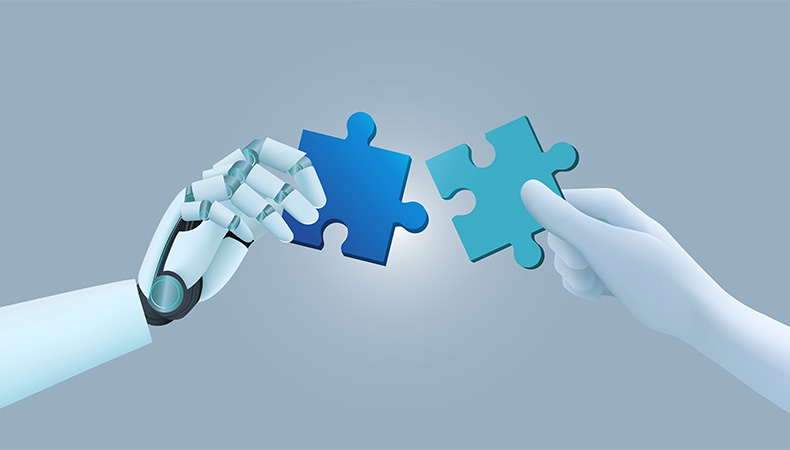
Crucially, this isn’t about replacing human expertise. It’s about freeing teams from operational burden so they can focus on strategy, experience, and outcomes.
A shift enterprises are starting to make
As organisations plan ahead, many are reassessing whether their current benefits infrastructure can scale with the business - or whether it’s quietly holding them back.
AI won’t solve every challenge. But it can fix one of the most persistent ones: the gap between how important benefits are and how hard they are to run.
Read the full article: AI is finally solving a decade-old problem for enterprises
Supplied by REBA Associate Member, Ben
Get benefits that get your people. Switch to Ben for flexible, global, automated employee benefits.